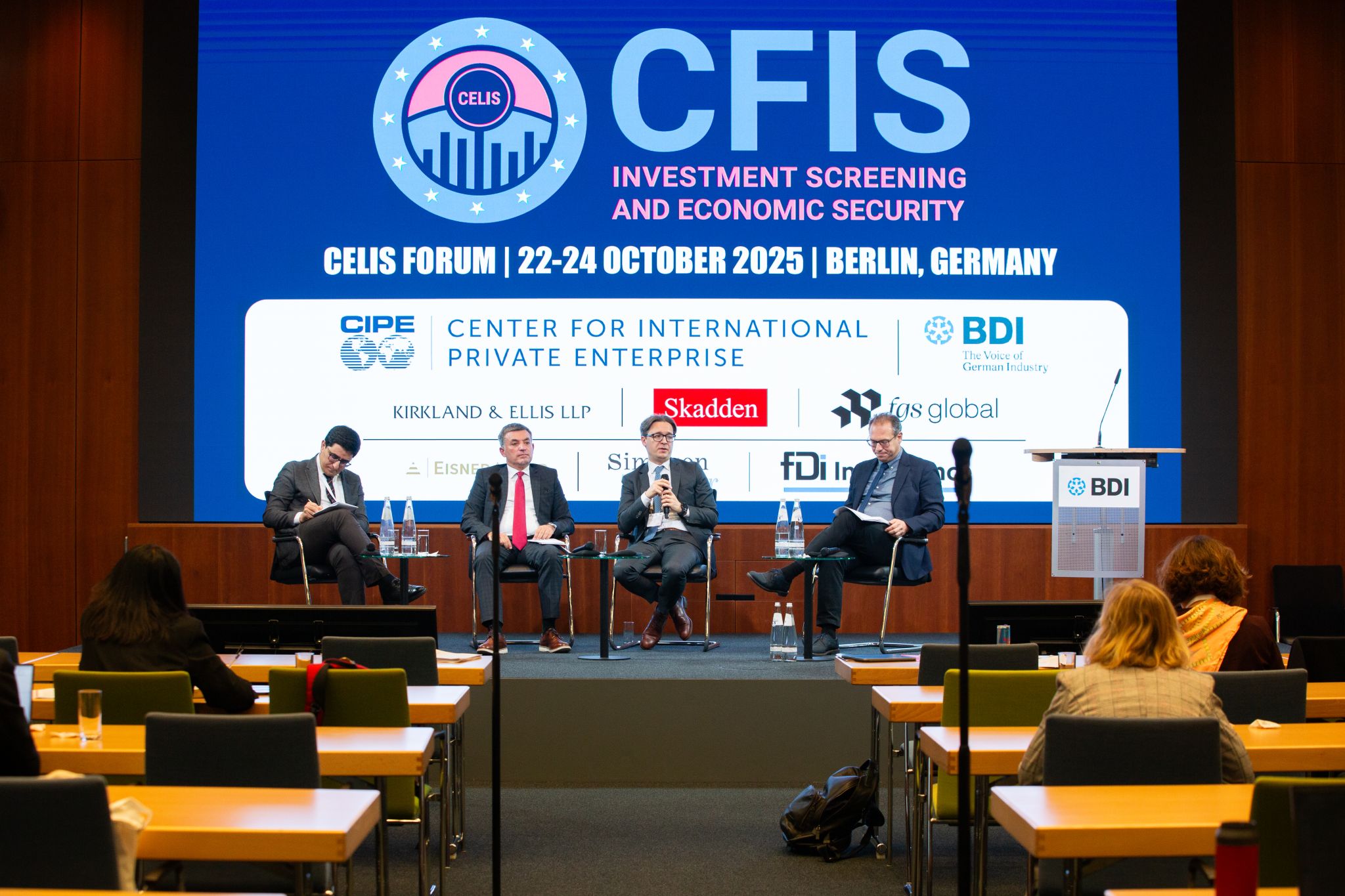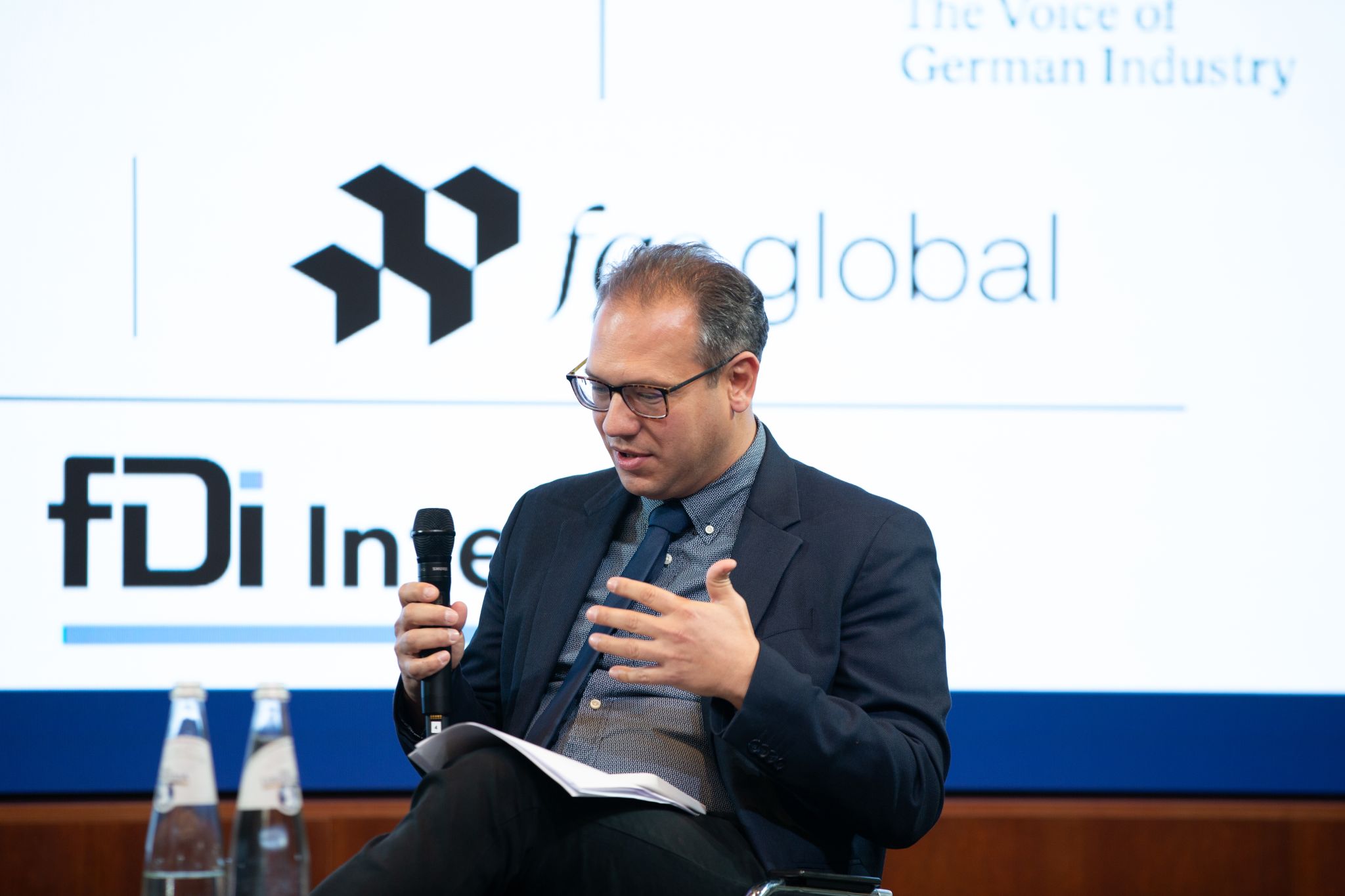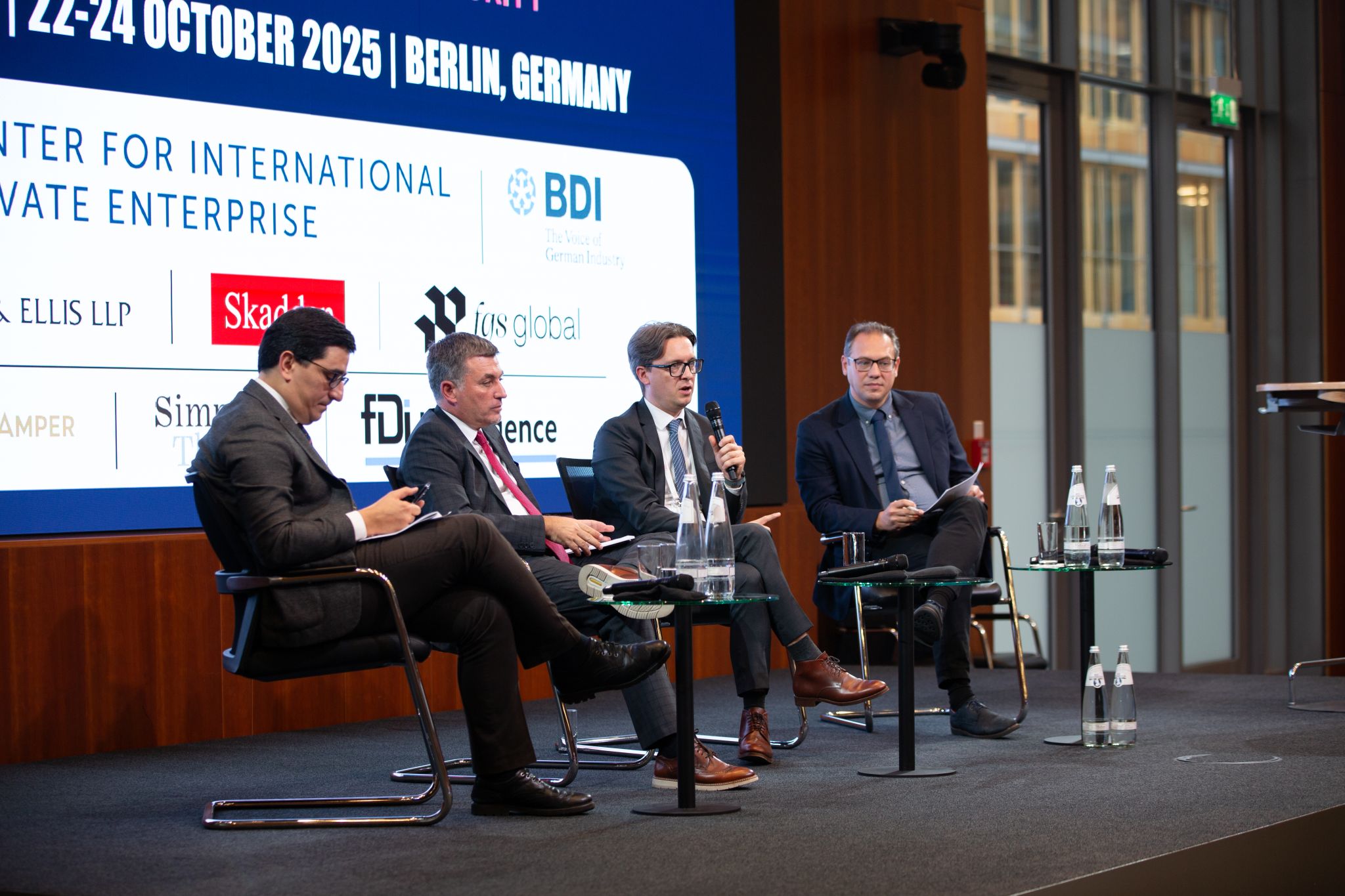
Foreign investment screening has moved from a specialized regulatory tool to a central pillar of Europe’s economic security policy, according to discussions at the Forum on Investment Screening and Economic Security (CFIS25), organized by the CELIS Institute.
From Technical Niche to Strategic Priority
Panelists at the forum noted that in just a few years, the political and economic backdrop has transformed how governments approach foreign direct investment (FDI). The COVID-19 pandemic, Russia’s full-scale invasion of Ukraine, and the use of energy and digital dependencies as instruments of leverage have all pushed policymakers to reassess the balance between maintaining open markets and safeguarding national sovereignty.
Within the European Union, this shift has been formalized through Regulation (EU) 2019/452, which established a coordinated framework for screening foreign investments on grounds of security and public order. An ongoing revision of that regulation was cited as evidence that investment screening is now a permanent feature of the EU’s economic governance architecture, rather than a temporary or reactive measure.
A Question Beyond EU Borders
The forum’s discussion extended well beyond the Union’s member states. Officials and experts pointed to countries including Moldova, North Macedonia, and Armenia as facing a similar policy challenge: how to protect strategic assets and critical sectors while still attracting the trusted foreign capital needed to modernize their economies.
The panel argued that when designed carefully, investment screening regimes can act as a bridge rather than a barrier — helping candidate and neighboring countries align with EU standards while pursuing deeper economic integration.
Panel and Organizers
The session was moderated as part of the CELIS Institute’s forum, with panelists including Mircea Esanu, Viktor Mizo, Yeghishe Kazarian, and Zoran Nechev of Think Europe contributing perspectives from across the region. The event was organized with support from the CELIS Institute team, including Steffen Hindelang, Roland M. Stein, John Kay, and Joanna Kirstine Thomsen, alongside continued partnership from the Center for International Private Enterprise (CIPE), notably Eric K. Hontz and Jeff Lightfoot.
Additional partners associated with the forum included Think Europe (Evropa misli), the Institute for Democracy Societas Civilis Skopje (IDSCS), and the Institut für Europäische Politik.
Why It Matters
The forum’s discussions underscore a broader trend: economic security is increasingly being treated as inseparable from national and regional security policy across Europe and its neighborhood. As screening mechanisms mature from ad hoc responses into structured, permanent frameworks, the debate is shifting toward how such tools can be calibrated — strict enough to protect strategic sectors, but flexible enough not to deter the investment that emerging and transitioning economies need.
Based on remarks and discussion shared from the CELIS Institute’s Forum on Investment Screening and Economic Security (#CFIS25).